

How Custom Orthotics Support Your Return to Running
Ready to run without pain? Learn how custom orthotics and active recovery can get you back on track safely with Tjoe Podiatry in Jersey City.
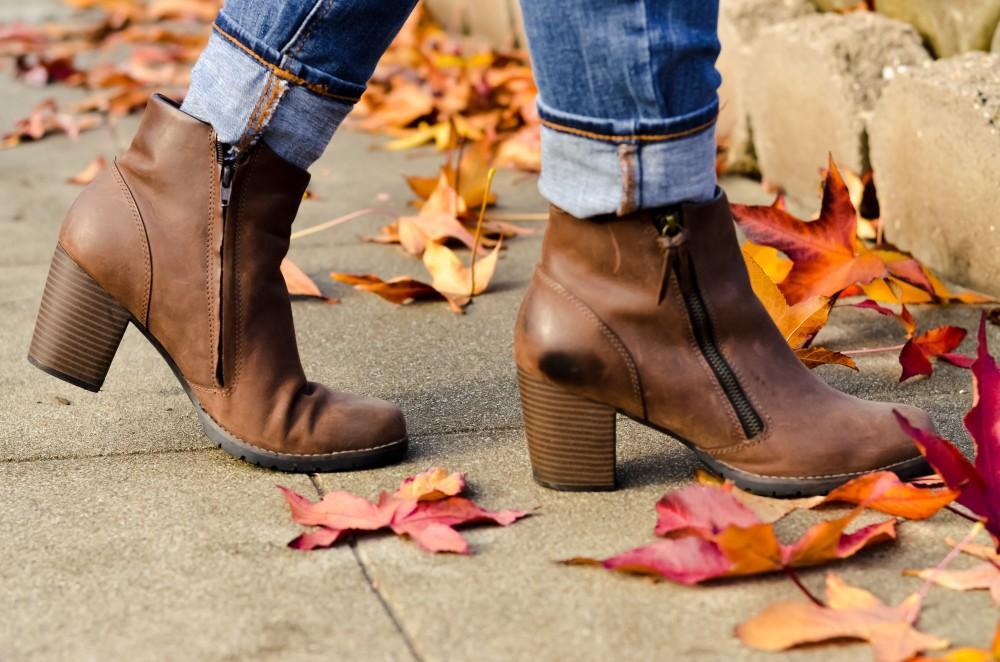
As the crisp autumn air rolls in, it’s time to unpack your fall wardrobe—heavy boots, trendy flats, and structured loafers. While updating your look feels great, transitioning into rigid or unsupportive seasonal footwear can introduce unexpected aches, pains, and structural strain to your feet.
That’s one reason seasonal shoe changes can be so frustrating. Even when they look great, improper footwear can interfere with walking, comfort, posture, and everyday movement.
At Tjoe Podiatry in downtown Jersey City, podiatrist Edward Tjoe, DPM, offers comprehensive evaluations and expert care for all kinds of foot and foot-wear-related discomfort.
Take a few moments to learn why fall footwear can take a toll on your feet, which conditions to watch out for, and how the right adjustments can keep you stepping comfortably all season long.
Many popular fall shoes—especially stylish boots and fashion flats—are built with stiff materials and narrow toe boxes.
Unlike flexible athletic sneakers, rigid soles prevent your foot from moving naturally through a normal walking stride. When a shoe forces your toes into a tight, pointed space, it can crowd your forefoot and increase friction.
Over time, this constant pressure can lead to painful skin friction, blisters, and the worsening of structural alignment issues like bunions and hammertoes.
When you change your footwear styles for the season, you also change how force travels up through your lower body.
Completely flat, unsupportive boots (like traditional riding boots or thin-soled booties) lack adequate arch support. Without proper structural support, your foot flattens too much with every step, stretching the connective tissues along the bottom of your foot.
On the other hand, heeled boots shift your body weight forward onto the balls of your feet, placing excessive strain on your forefoot and tightening your calf muscles and Achilles tendon.
Because fall shoes often prioritize fashion over biomechanics, they frequently trigger or aggravate specific foot conditions, including:
Protecting your feet this season doesn’t mean you have to give up your favorite autumn styles. Making a few smart choices can make all the difference:
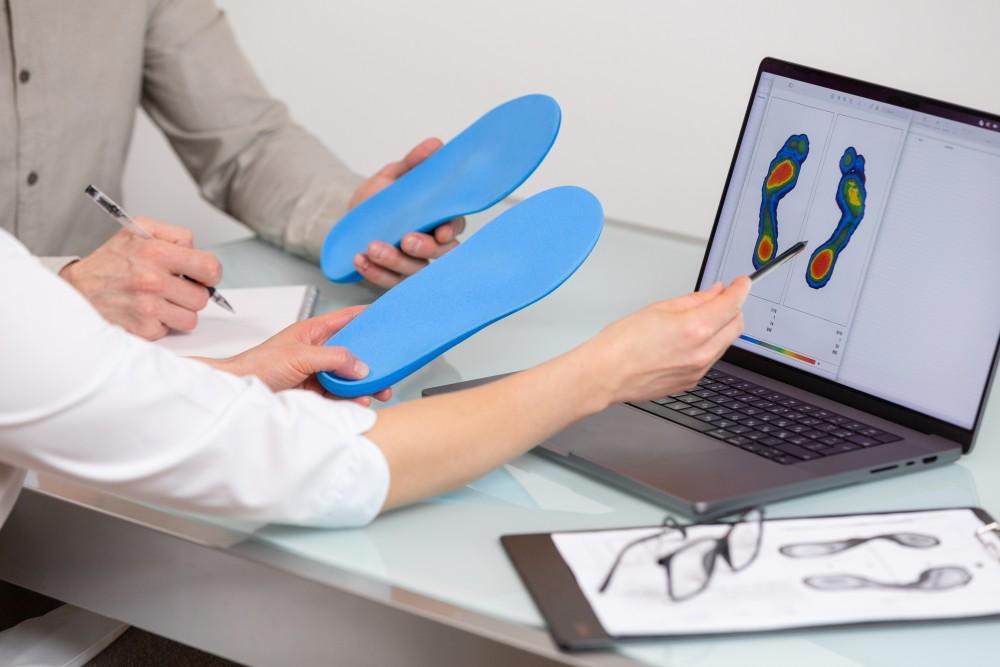
Choose boots with flexible soles, adequate room in the toe box, and supportive cushioning. If you have a pair of favorite fall shoes that lack arch support, adding over-the-counter inserts or custom orthotics can help restore proper alignment.
In addition, alternating your footwear from day to day gives your feet a break and prevents repetitive stress on the same areas.
If your fall shoes are causing persistent foot pain, or if discomfort hangs on long after you take them off, it may be time to look beyond simple rest. A professional evaluation can help identify mechanical issues and prevent minor seasonal aches from turning into chronic problems.
At Tjoe Podiatry, Dr. Tjoe evaluates foot structure carefully and recommends solutions tailored to your lifestyle, daily routine, and footwear preferences.
If you’re looking for expert guidance on foot health or need relief from seasonal foot pain, visit Tjoe Podiatry, call our Jersey City office, or request an appointment online today.


